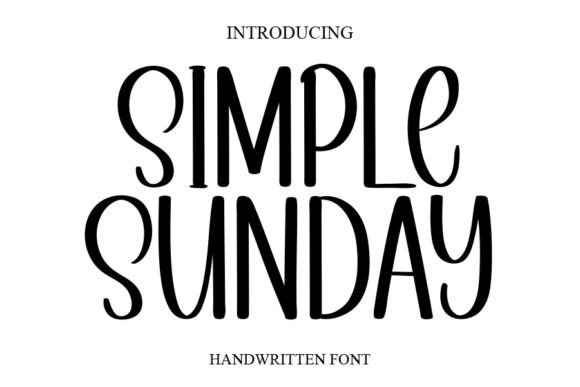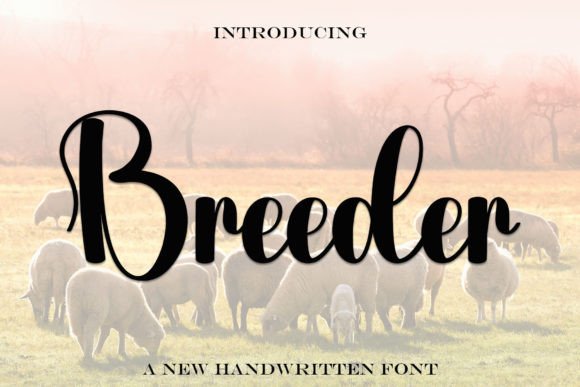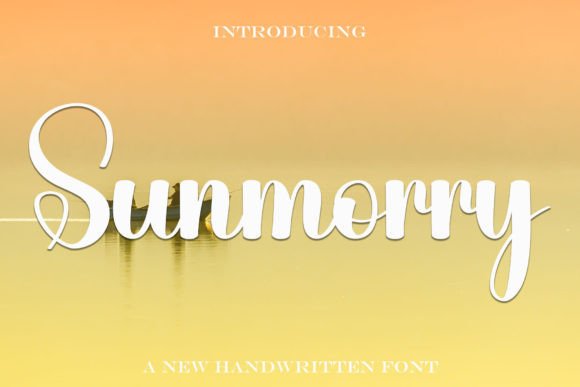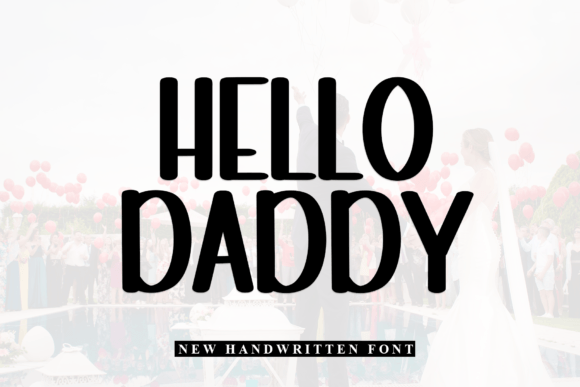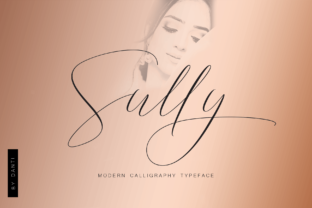
Sully: A Handwritten Font with Subtle Elegance
Sully is a handwritten font that brings a touch of natural character and refined simplicity to any design project. Its elegant curves and organic feel make it stand out in a world dominated by digital typography. Designed for versatility, Sully balances the warmth of handwriting with the clarity needed for professional use. Whether you're crafting an invitation, a blog post, or a business card, Sully offers a unique visual identity that can elevate your message without overwhelming the reader.
Design Characteristics and Visual Appeal
Sully's design is rooted in the aesthetics of handwritten script, yet it maintains a level of consistency that makes it suitable for both casual and formal applications. The font features a flowing, connected style that gives it a sense of movement and personality. Each letterform carries a subtle variation, which adds to its charm and authenticity.
One of the most notable aspects of Sully is its natural appearance. Unlike many fonts that feel overly stylized or artificial, Sully has a handcrafted look that feels genuine and approachable. This quality makes it particularly effective for personal branding, creative projects, and content that benefits from a more human touch.
Key Strengths of Sully
- Elegant yet approachable: Sully strikes a balance between sophistication and friendliness, making it versatile across different contexts.
- High readability: Despite its handwritten aesthetic, Sully remains highly legible, especially at larger sizes.
- Flexible use cases: It works well in both print and digital formats, supporting a wide range of applications.
- Consistent stroke weight: The uniformity in stroke thickness contributes to its clean and professional appearance.
- Minimalist design: Sully avoids excessive ornamentation, allowing the text to remain focused on the message.
The font's minimalist approach ensures that it doesn't distract from the content it supports. This is especially valuable for designers who want to maintain a clear hierarchy of information while still adding a visual element that feels personal and engaging.
Practical Use Cases and Audience Fit
Sully is ideal for individuals and businesses that value both creativity and professionalism. It is particularly well-suited for:
- Invitations and stationery: The font's elegant appearance makes it perfect for wedding invitations, thank-you notes, and other personal correspondence.
- Blog headers and social media posts: Its stylish yet readable nature helps content stand out on platforms like Instagram, Twitter, and LinkedIn.
- Business cards and logos: Sully can add a distinctive flair to branding materials, helping to create a memorable visual identity.
- Signatures and personal branding: For freelancers, entrepreneurs, and creatives, using Sully as a signature can reinforce a professional yet personable image.
- Print and digital publications: Its adaptability allows it to be used in magazines, newsletters, and online articles where a handwritten feel is desired.
Professionals in fields such as marketing, education, and creative industries may find Sully particularly useful for projects that require a blend of personality and polish. Its ability to convey warmth and authenticity without sacrificing clarity makes it a strong choice for audiences that appreciate thoughtful design.
Real-World Performance and Limitations
In practice, Sully performs well in most common design scenarios. However, like any font, it has certain limitations that should be considered before committing to its use in a large-scale project.
One potential challenge is its suitability for very long texts. While Sully reads well in short paragraphs, extended use may lead to visual fatigue due to the fluid, connected nature of the script. This makes it less ideal for body text in documents or websites where readability over long periods is crucial.
Additionally, Sully may not be the best choice for situations where a more structured or formal typographic style is required. Its handwritten feel can sometimes come across as too informal for corporate or academic settings unless paired with complementary fonts for headings or subheadings.
Despite these considerations, Sully's strengths far outweigh its limitations when applied to the right context. Its natural elegance and versatility make it a valuable addition to a designer's toolkit, especially for those looking to infuse their work with a personal touch.
Who Benefits Most from Sully?
Sully is most beneficial for:
- Creatives and artists: Designers, illustrators, and writers who want to add a handmade feel to their work.
- Freelancers and small business owners: Those looking to differentiate their brand through unique typography.
- Marketers and educators: Professionals who need to communicate ideas clearly while maintaining a visually engaging presence.
- Bloggers and content creators: Individuals who rely on eye-catching visuals to capture audience attention.
- Event planners and organizers: Those who need elegant, personalized fonts for event materials and signage.
For these groups, Sully provides a reliable and stylish option that enhances the overall impact of their work without compromising on functionality.
Recommendations and Final Thoughts
If you're searching for a font that combines elegance with practicality, Sully is worth considering. It is particularly well-suited for projects where a handwritten aesthetic is desired but clarity and professionalism are also important.
Before finalizing your choice, consider the specific needs of your project. If you're working on a document that requires extensive reading, opt for a serif or sans-serif font instead. However, for shorter texts, headlines, and branding elements, Sully can be an excellent choice.
Ultimately, Sully is more than just a font—it's a tool for expressing personality and creativity in a way that feels authentic and refined. Whether you're designing a logo, writing a blog post, or creating an invitation, Sully has the potential to elevate your work and leave a lasting impression.