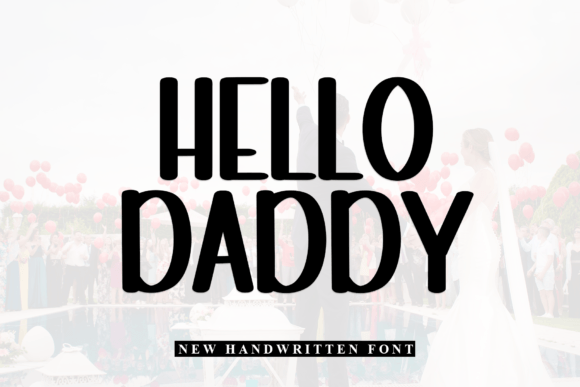
Hello Daddy: A Handwritten Font with Strategic Design Power
Hello Daddy is more than just a font—it’s a design tool that can elevate your creative projects, branding efforts, and communication strategies. With its flowing, handwritten style, it brings an elegant touch to any visual project, whether you're designing logos, crafting marketing materials, or enhancing digital content. This font isn’t just about aesthetics; it’s about intentional design that aligns with your goals and enhances your message.
The Strategic Value of Hello Daddy in Branding and Communication
In today’s competitive market, brand identity plays a critical role in how audiences perceive your business. The right font can make all the difference between a generic look and one that stands out. Hello Daddy offers a unique opportunity to create a memorable brand presence through its distinctive, timeless style.
Consider using Hello Daddy for logos, headlines, or call-to-action buttons where you want to convey warmth, creativity, and approachability. Its flowing lines and natural feel can help humanize your brand, making it more relatable to your audience. For example, a boutique lifestyle brand or a creative agency might use Hello Daddy to reinforce their personality and build emotional connections with customers.
However, it's important to recognize that not every project benefits from this font. Hello Daddy is best suited for projects that require a personal touch, such as invitations, greeting cards, or promotional materials that aim to evoke a sense of familiarity and charm. In contrast, it may not be the ideal choice for formal documents, technical reports, or anything requiring a professional, structured appearance.
How to Use Hello Daddy Intentionally for Better Outcomes
Using Hello Daddy effectively requires strategic planning and thoughtful execution. Before applying this font to your projects, ask yourself: What is my goal? Who is my audience? What message do I want to convey? These questions will guide your decision-making process and ensure that Hello Daddy aligns with your overall strategy.
One practical tip is to test the font in different contexts. Preview how it looks on various platforms—whether it's a website, social media post, or print material. Pay attention to readability, especially at smaller sizes. While Hello Daddy has a beautiful flow, it can sometimes appear less legible in certain applications if not used carefully.
Another key consideration is consistency. If you decide to use Hello Daddy, apply it consistently across your brand assets to maintain a cohesive visual identity. This includes using it for headings, subheadings, and specific text elements rather than mixing it with other fonts without purpose.
Planning Tips for Effective Font Integration
- Define your brand voice: Ensure that Hello Daddy complements your brand's tone and values. Is it playful, sophisticated, or warm? Choose the font based on these characteristics.
- Use it sparingly: Apply Hello Daddy to highlight key messages or create visual interest rather than overusing it throughout your designs.
- Pair it wisely: Combine Hello Daddy with a complementary sans-serif or serif font for better readability and balance.
- Test on multiple devices: Make sure your design looks good on both desktop and mobile screens, especially when using Hello Daddy for web content.
Long-Term Value and Strategic Positioning
When used thoughtfully, Hello Daddy can contribute to long-term value by strengthening your brand’s visual identity and improving user engagement. It helps create a memorable experience that resonates with your audience, encouraging them to connect with your content and services.
For professionals in marketing, design, or entrepreneurship, Hello Daddy can be a powerful asset in positioning your brand as creative, authentic, and customer-focused. It allows you to stand out in a crowded market by offering a unique visual signature that reflects your values and vision.
Moreover, Hello Daddy supports creativity and productivity by providing a versatile tool that adapts to different project needs. Whether you're working on a blog post, a product packaging design, or a social media campaign, this font can enhance your workflow and inspire new ideas.
When to Rely on Hello Daddy and When to Avoid It
While Hello Daddy offers many benefits, it's not always the best choice. Consider avoiding it in situations where clarity and professionalism are paramount. For instance, legal documents, financial reports, or academic papers should prioritize readability and formality over stylistic flair.
Additionally, avoid using Hello Daddy in contexts where legibility is critical. Small text sizes or low-resolution displays can reduce the effectiveness of this font, leading to confusion or misinterpretation. Always assess the context before committing to a design that relies heavily on Hello Daddy.
Finally, be mindful of audience expectations. Some demographics may prefer a more traditional or structured font, so consider your target audience's preferences before making a final decision.
Strategic Observations for Decision-Making
Using Hello Daddy strategically involves more than just choosing a font—it requires a deeper understanding of your goals, audience, and brand identity. Here are some key observations to guide your decision-making:
- Align with your brand’s personality: Does Hello Daddy reflect your brand’s values and mission? If so, it can serve as a powerful visual anchor.
- Enhance user experience: A well-chosen font like Hello Daddy can improve readability and make your content more engaging.
- Support your communication objectives: Whether you’re aiming to inform, persuade, or entertain, the right font can amplify your message.
- Encourage consistency: Maintain a consistent use of Hello Daddy across all touchpoints to reinforce your brand’s visual identity.
- Balance creativity with clarity: While Hello Daddy adds a unique touch, always prioritize readability and usability in your designs.
By integrating Hello Daddy into your design strategy with intention, you can unlock new opportunities for growth, connection, and impact. Remember, the goal is not to rely on the font itself, but to use it as a tool that supports your broader objectives and enhances your brand’s presence in the world.