Hand: A Delicate Handwritten Font for Strategic Design and Communication
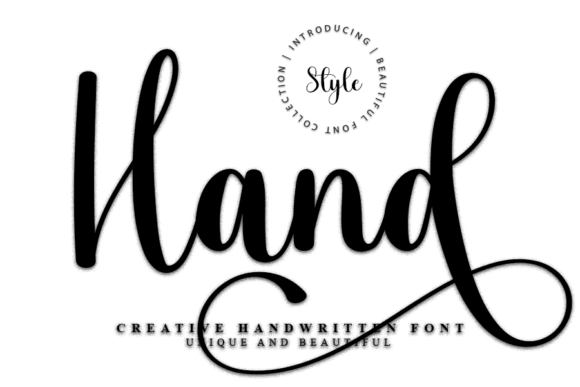
The Hand font is more than just a typographic choice—it’s a deliberate design that can enhance the clarity, impact, and emotional resonance of your message. Carefully crafted with a delicate, handwritten aesthetic, Hand offers a unique visual identity that stands out in a world dominated by digital and corporate fonts. Its soft curves and organic flow make it ideal for a variety of applications, from personal correspondence to professional branding. But its true value lies not just in its appearance, but in how it supports strategic communication and creative expression.
Why Hand Matters in Strategic Design
In an era where first impressions matter more than ever, the right font can be a powerful tool for conveying tone, personality, and intent. Hand is designed to bridge the gap between casual and professional, offering a balance that feels both approachable and refined. This makes it particularly useful for creators and professionals who want to communicate authenticity while maintaining a polished image.
Strategically, Hand can serve as a visual anchor for your brand or project. When used consistently across different touchpoints—such as invitations, product packaging, or website headers—it helps build recognition and trust. The font’s subtle irregularities mimic the natural variations found in handwriting, which can evoke a sense of warmth and individuality. This is especially valuable in industries like education, creative services, and small business marketing, where personal connection plays a key role.
How Hand Supports Goal Alignment and Branding
Using Hand intentionally can help align your visual identity with your broader goals. For example, if you’re launching a boutique line of artisanal food products, Hand can reinforce the idea of craftsmanship and care. Similarly, a freelancer offering graphic design or copywriting services might use Hand in their portfolio to signal creativity and attention to detail.
When planning your branding strategy, consider how Hand fits into your overall vision. Does it reflect the values of your brand? Does it resonate with your target audience? These questions are essential before committing to any font. Once you’ve established a clear purpose, Hand becomes a versatile tool for reinforcing your message across multiple platforms.
Practical Use Cases for Hand
- Invitations and Event Materials: Hand adds a personal touch to wedding invites, workshop announcements, or gallery openings. It conveys elegance without being overly formal.
- Product Packaging: For handmade goods, Hand can elevate the perceived value of your product. It suggests authenticity and quality, which are important in niche markets.
- Website Headers and Logos: When used sparingly, Hand can create a memorable logo or headline that stands out on a webpage. It works well when paired with a clean, modern sans-serif font for contrast.
- Blog Posts and Articles: Incorporating Hand in headlines or pull quotes can break up text and add visual interest. It’s particularly effective in content focused on storytelling or creative writing.
- Marketing Collateral: Brochures, flyers, and social media posts can benefit from the warmth and personality that Hand brings to the page.
Each of these use cases highlights how Hand can support specific objectives. Whether you're aiming to build brand awareness, improve user engagement, or strengthen customer relationships, the font can be a valuable asset when used thoughtfully.
Strategic Planning and Contextual Consideration
Before relying on Hand, it’s important to evaluate the context in which it will be used. Not every design scenario is suited for a handwritten font. For instance, while Hand can add charm to a newsletter, it may not be the best choice for a financial report or technical documentation, where clarity and professionalism are paramount.
Consider the following when planning your use of Hand:
- Target Audience: Does your audience appreciate the warmth and personality of a handwritten font? Will they perceive it as trustworthy or unprofessional?
- Brand Identity: Does Hand align with your brand’s voice and values? Is it consistent with your existing visual language?
- Platform and Medium: How will Hand be displayed? On print, digital, or both? Will it render well across different devices and screen sizes?
- Consistency: Will Hand be used throughout all materials, or only in select instances? Consistency is key to building recognition.
By addressing these factors upfront, you can ensure that Hand serves its intended purpose without undermining your overall strategy.
Risks of Using Hand Without Clear Goals
While Hand has many strengths, using it without a clear purpose can lead to confusion or misalignment. For example, applying Hand to a corporate presentation may dilute the message and confuse the audience. In some cases, it could even damage credibility if it doesn’t match the tone of the content.
Additionally, overusing Hand can reduce its impact. Just as too much color can overwhelm a design, excessive use of a handwritten font can make your message feel less professional. It’s important to use Hand strategically—reserving it for moments where its unique qualities can enhance the message rather than distract from it.
Intentional Use for Long-Term Value
To maximize the long-term value of Hand, focus on intentional use. Think of it as a tool that can be applied in specific contexts to achieve specific outcomes. Whether you’re designing a campaign, creating content, or developing a brand, Hand should always serve a purpose.
One practical tip is to use Hand in conjunction with other fonts. Pairing it with a clean, modern sans-serif font can create a balanced look that maintains readability while adding character. This approach ensures that your message remains clear and accessible, even when incorporating a handwritten style.
Another consideration is accessibility. While Hand is visually appealing, it may not be the most readable option for all audiences. Always test your designs with different users to ensure that your message is communicated effectively.
Conclusion
Hand is more than a font—it’s a strategic design element that can enhance communication, reinforce brand identity, and support creative expression. When used intentionally, it can help you achieve better results by aligning your visual choices with your broader goals. However, its effectiveness depends on thoughtful planning, contextual awareness, and a clear understanding of your audience and purpose.
By approaching Hand with intention, you can unlock its full potential and create designs that are both meaningful and impactful. Whether you’re an entrepreneur, marketer, educator, or creator, the right use of Hand can make a difference in how your message is received and remembered.