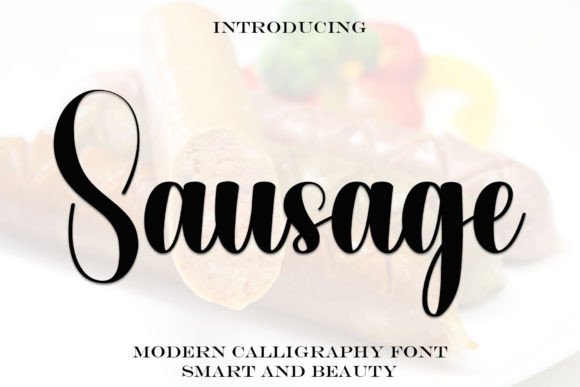
Sausage: A Handwritten Font That Adds Character and Elegance to Your Designs
When it comes to typography, the right font can make all the difference. Sausage is a unique handwritten font that stands out for its elegant touch and distinctive style. It’s not just another font—it’s a statement. Whether you're designing for a brand, creating content for a blog, or working on a personal project, Sausage offers a timeless appeal that can elevate your work in unexpected ways.
Why Sausage Stands Out
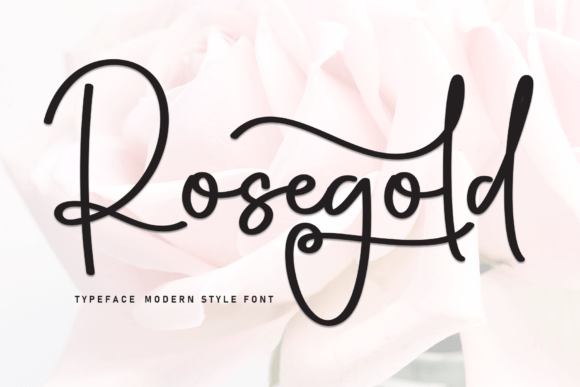
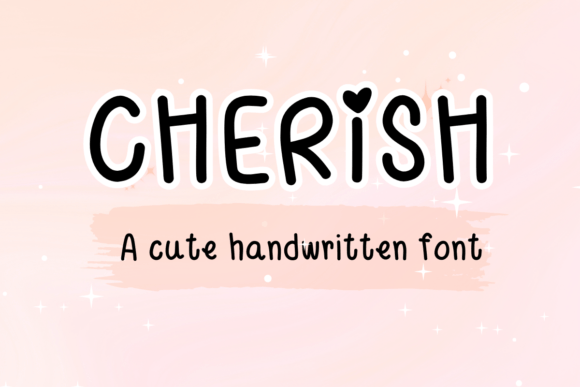
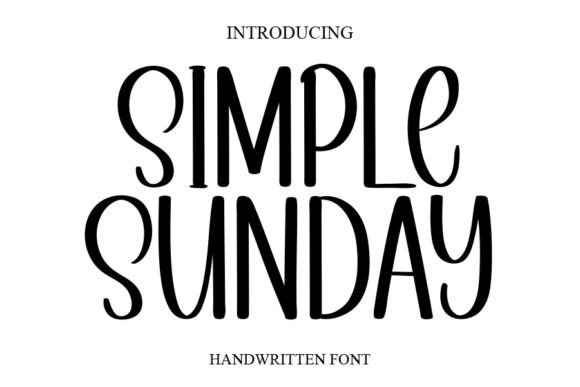
Sausage is more than just a font; it's an artistic expression. Its design features a neat and beautiful handwritten aesthetic that feels both modern and classic. The font's curves and strokes are carefully crafted to create a sense of warmth and personality. This makes it ideal for projects where you want to add a human touch—like invitations, greeting cards, logos, or even social media graphics.
What sets Sausage apart is its versatility. It works well with both uppercase and lowercase letters, making it suitable for a wide range of applications. Whether you're looking to make a bold statement or keep things subtle, Sausage has the flexibility to adapt to your needs.
Common Mistakes When Using Sausage
Despite its charm, many users make mistakes when choosing and using Sausage. One of the most common errors is assuming that because it's a handwritten font, it will automatically fit any design. In reality, Sausage is best used in specific contexts. For example, it may look great in a creative portfolio but could be too informal for a professional report or business card.
- Mistake 1: Not considering the purpose of the design. Sausage is not always the best choice for every project.
- Mistake 2: Ignoring readability. While the font is stylish, it can sometimes be difficult to read at smaller sizes or in certain color combinations.
- Mistake 3: Using it without proper spacing. Handwritten fonts like Sausage require careful attention to letter spacing to maintain clarity and aesthetics.
These mistakes can affect the overall quality and effectiveness of your design. A poorly chosen font can distract from your message, reduce legibility, and even damage your brand's credibility.
How to Use Sausage Effectively
If you decide to use Sausage, there are several practical steps you can take to ensure it works well for your project. First, always test the font in different sizes and colors before finalizing your design. This helps you see how it performs in various contexts.
Second, consider pairing Sausage with a more traditional font for contrast. For instance, using Sausage for headings and a sans-serif font for body text can create a balanced and professional look.
Third, pay attention to spacing. Since Sausage is a handwritten font, it requires more generous letter spacing to avoid overcrowding. This is especially important when using it in longer texts or paragraphs.
Realistic Examples
Let’s say you’re designing a wedding invitation. Using Sausage for the main title can add a personal and elegant feel. However, if you use it for the entire invitation, it might become overwhelming. Instead, pair it with a clean, readable font for the body text to maintain clarity and visual harmony.
Another example is a logo design. Sausage could work beautifully as part of a logo, especially if the brand values creativity and individuality. But it should be used sparingly and complemented by other elements to ensure the logo remains functional and recognizable.
What to Check Before Using Sausage
Before committing to Sausage, there are a few key factors to consider. First, check the licensing terms. Some fonts are free to use, while others require a purchase or subscription. Make sure you understand the restrictions and permissions associated with the font you choose.
Second, verify the font's compatibility with your design tools. If you're using Adobe Illustrator, Photoshop, or Canva, ensure that Sausage is supported and functions correctly across all platforms.
Third, review the font's character set. Sausage may not include all the characters needed for your project, such as special symbols or accented letters. Always double-check that the font supports the language and characters you need.
Finally, consider the audience. If your design is intended for a professional or formal setting, Sausage may not be the best choice. However, for creative or personal projects, it can be a powerful tool for adding character and uniqueness.
Conclusion
Sausage is a remarkable font that brings elegance and personality to your designs. By understanding its strengths and limitations, you can use it effectively without compromising quality or readability. Avoid common pitfalls by testing the font in different contexts, pairing it wisely, and ensuring it aligns with your project's goals. With the right approach, Sausage can become a valuable asset in your design toolkit.